

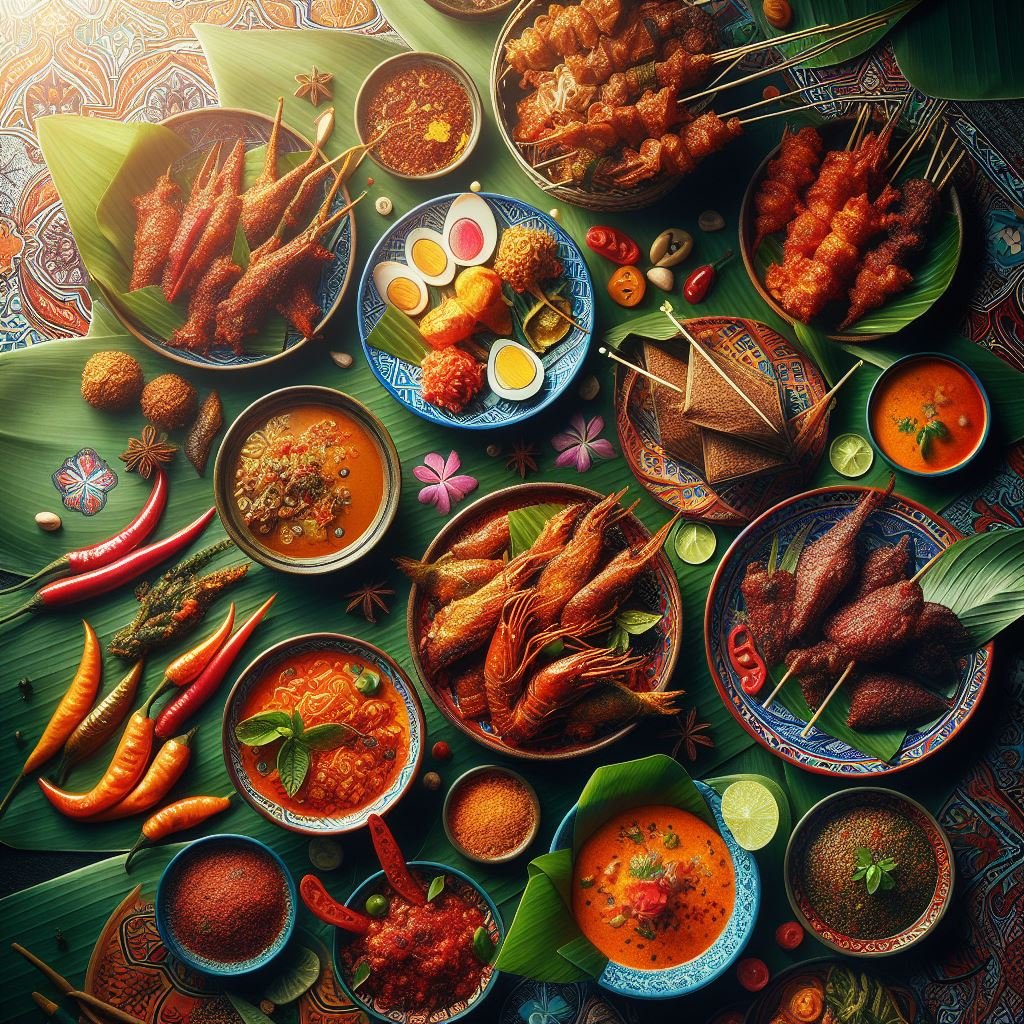
Indonesia, a vibrant archipelago in Southeast Asia, is renowned for its love affair with spicy cuisine. From fiery sambal to tongue-tingling rendang, the Indonesian palate embraces bold flavors that leave a lasting impression. But what fuels this passion for spice? Let’s explore the cultural, historical, and culinary aspects that contribute to this spicy phenomenon.
Historical Influences
Indonesia’s love for spicy food is deeply rooted in its rich cultural and historical tapestry. Centuries of trade and colonization have left an indelible mark on the country’s culinary landscape. The Spice Islands, nestled within the Indonesian archipelago, were once the epicenter of the global spice trade. Indonesian spices like cloves, nutmeg, and chili peppers were highly sought after, attracting merchants from distant lands.
The influx of foreign traders introduced new ingredients and cooking techniques, leading to a fusion of flavors that continues to shape Indonesian cuisine today. Spices became not only a commodity but also a cultural currency, symbolizing wealth, power, and prestige.
Geographical Factors
The tropical climate of Indonesia provides an ideal environment for cultivating a diverse range of spices. Lush rainforests and fertile soil yield an abundance of chili peppers, ginger, turmeric, and lemongrass, among others. These ingredients form the backbone of Indonesian cooking, infusing dishes with layers of complexity and heat.
Furthermore, the accessibility of spices in local markets ensures that they remain a staple in everyday cooking. Indonesians take pride in their ability to harness the flavors of the land, creating dishes that are both comforting and exhilarating.
Culinary Traditions
Indonesia boasts a culinary heritage as diverse as its geography. Each region offers its own unique spin on traditional dishes, incorporating local ingredients and cooking methods. From the fiery curries of Padang to the aromatic stews of Java, Indonesian cuisine is a testament to the country’s cultural mosaic.
Spice blending is an art form in itself, with recipes passed down through generations. Families take great care in selecting and grinding spices, imbuing their dishes with layers of nuance and complexity. The result is a symphony of flavors that dance on the palate, leaving a lingering warmth that is both satisfying and addictive.
Health Benefits and Beliefs
Beyond mere flavor, spices hold a special place in Indonesian culture for their perceived health benefits. Traditional medicine practices often incorporate spices for their healing properties, believing in their ability to ward off illness and promote vitality. Ginger, for example, is prized for its anti-inflammatory properties, while turmeric is revered for its antioxidant properties.
This holistic approach to wellness extends to the dinner table, where spicy foods are seen as nourishing and invigorating. Indonesians view the consumption of spices as not only a culinary indulgence but also a form of self-care.

Social and Emotional Significance
Sharing a spicy meal is more than just a gastronomic experience; it is a social ritual that fosters connection and camaraderie. Family gatherings and festive occasions often revolve around a communal feast, where spicy dishes take center stage. Breaking bread (or tearing into a fiery sambal) brings people together, strengthening bonds and creating cherished memories.
Moreover, spices serve as a symbol of cultural identity, uniting Indonesians across diverse ethnicities and backgrounds. Whether enjoyed at a street food stall or a fine dining restaurant, spicy food is a source of pride and solidarity.
Economic Considerations
The spice industry plays a pivotal role in Indonesia’s economy, providing livelihoods for millions of farmers and traders. The export of spices contributes significantly to the country’s GDP, driving growth and development in rural communities. Additionally, the allure of Indonesian cuisine attracts tourists from around the globe, further bolstering the economy.
The popularity of Indonesian spices has also sparked interest in international markets, leading to a growing demand for Indonesian-inspired products and dishes. This cross-cultural exchange not only promotes culinary diversity but also enhances Indonesia’s global presence.
Global Influences
In an increasingly interconnected world, Indonesian cuisine has begun to influence global culinary trends. Chefs and food enthusiasts worldwide are drawn to the bold flavors and vibrant spices that define Indonesian cooking. Fusion restaurants and food trucks are putting their own spin on classic Indonesian dishes, introducing them to new audiences.
Furthermore, international recognition of Indonesian cuisine has elevated its status on the world stage, earning accolades and accolades for its creativity and innovation. From Michelin-starred restaurants to street food stalls, the allure of Indonesian spice continues to captivate taste buds around the globe.
Conclusion
The love affair between Indonesians and spicy food is a testament to the country’s rich cultural heritage and culinary prowess. From historical influences to modern-day innovations, spices play a central role in shaping Indonesian identity and cuisine. Whether enjoyed for their bold flavors, health benefits, or social significance, spicy foods hold a special place in the hearts (and stomachs) of Indonesians everywhere.
FAQs
- Why is Indonesian cuisine so spicy?
- Indonesian cuisine embraces spicy flavors due to historical influences, geographical factors, and cultural traditions.
- What are some popular Indonesian spices?
- Popular Indonesian spices include chili peppers, ginger, turmeric, lemongrass, and cloves.
- Are spicy foods common in Indonesian households?
- Yes, spicy foods are a staple in Indonesian households, enjoyed daily as part of meals.
- Do Indonesians believe in the health benefits of spices?
- Yes, many Indonesians believe in the health benefits of spices and incorporate them into traditional medicine practices.
- How has Indonesian cuisine influenced global culinary trends?
- Indonesian cuisine has influenced global culinary trends through its bold flavors, spice blending techniques, and innovative dishes.
Read More : What foods are eaten in indonesia?
Read More : What is indonesia’s famous food?
Read More : where is mount rinjani located?










Leave a Reply