

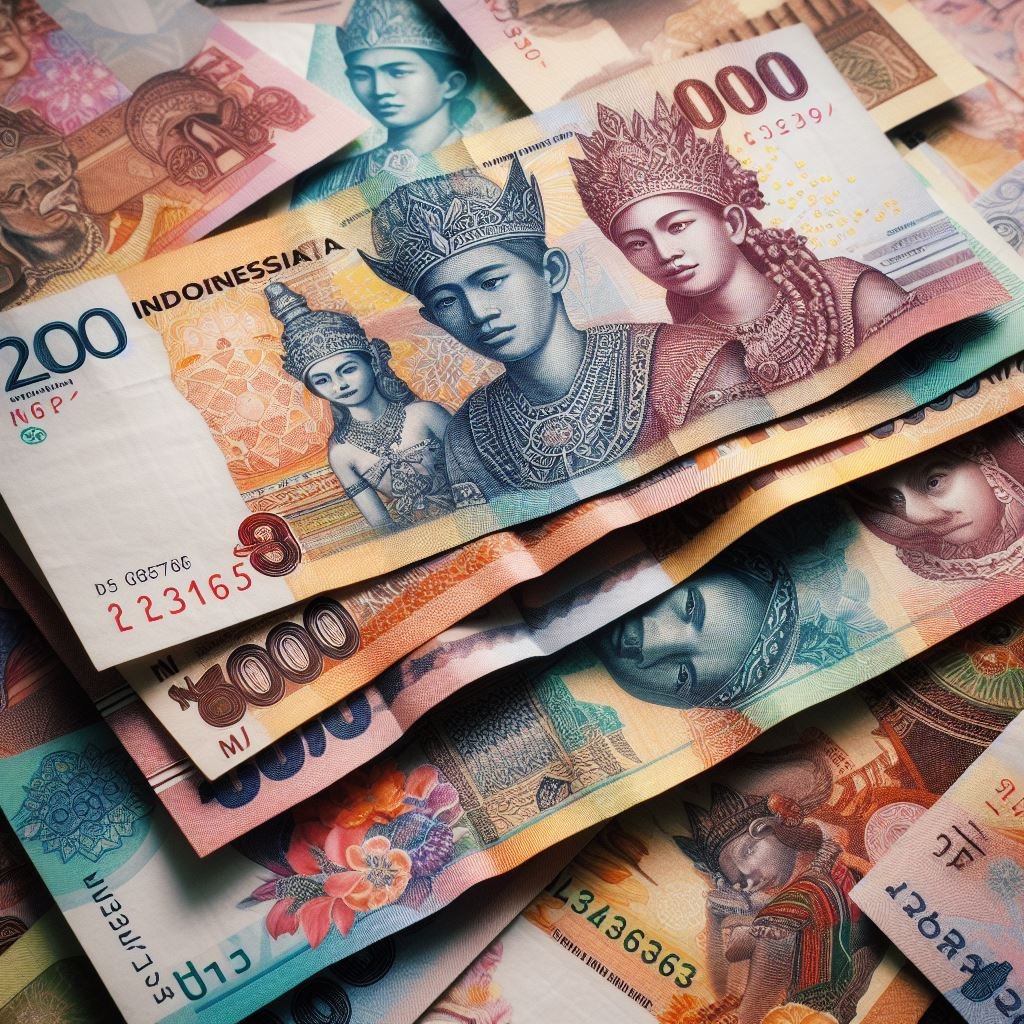
Indonesia, with its vast archipelago comprising over 17,000 islands, is a diverse and culturally rich nation located in Southeast Asia. Understanding the cost of food in Indonesia is essential for travelers, expatriates, and locals alike, as it directly impacts daily living expenses and budgeting considerations.
Factors Influencing Food Costs in Indonesia
Several factors contribute to the fluctuating prices of food in Indonesia:
Local Food Production
Indonesia’s reliance on local agricultural production significantly affects food prices. Factors such as weather conditions, land availability, and government policies influence the supply and demand dynamics of food items.
Import Tariffs and Taxes
Imported goods are subject to tariffs and taxes, which can increase their retail prices. This affects food items that are not locally produced or are in high demand.
Transportation Costs
The transportation infrastructure in Indonesia, particularly between its numerous islands, impacts the cost of transporting goods. Remote locations may incur higher transportation costs, which are passed on to consumers.
Seasonal Variations
The availability of certain foods fluctuates throughout the year due to seasonal changes. This can lead to price variations, especially for fruits, vegetables, and seafood.

Typical Food Expenses in Indonesia
The cost of food in Indonesia varies depending on where it is purchased:
Street Food
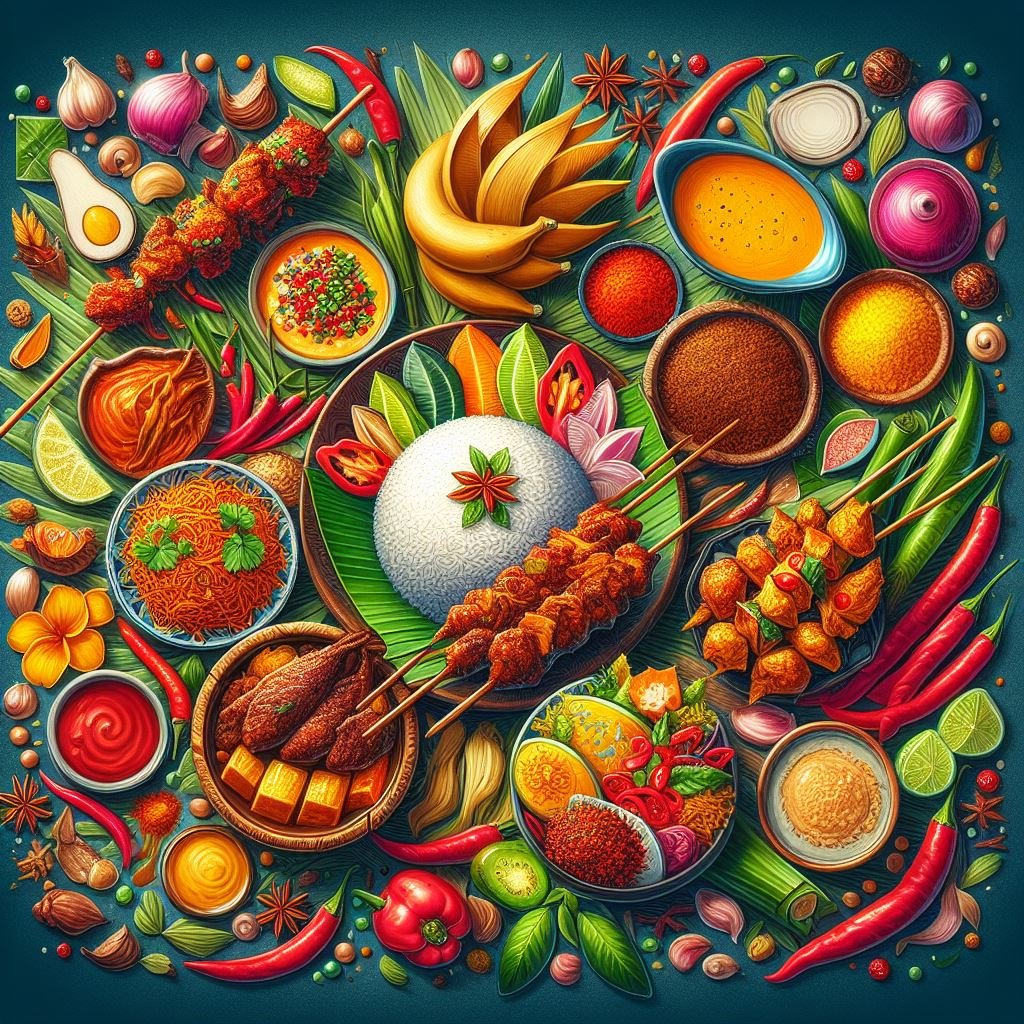
Street food stalls, known as “warungs” or “kaki lima,” offer affordable and flavorful options ranging from traditional dishes like nasi goreng (fried rice) to snacks like martabak (stuffed pancakes).
Market Prices
Local markets, such as Pasar Senen in Jakarta or Ubud Market in Bali, provide a wide range of fresh produce, spices, and meats at competitive prices. Bargaining is common and can result in significant savings.
Restaurant Meals
Dining out at restaurants or cafes can range from budget-friendly options to upscale establishments catering to tourists and expatriates. Prices vary depending on the location and type of cuisine.
Regional Variations in Food Costs
Food prices can vary significantly between different regions of Indonesia:
Urban vs. Rural Areas
Urban centers like Jakarta and Bali tend to have higher food prices due to increased demand and operating costs. In contrast, rural areas may offer more affordable options, particularly for locally sourced ingredients.
Different Islands
Each island in Indonesia has its culinary specialties and cost of living. For example, food prices in tourist destinations like Bali may be higher compared to less-visited islands.
Strategies for Managing Food Costs in Indonesia
To navigate the diverse food landscape in Indonesia while keeping costs in check, consider the following strategies:
Budgeting Tips
Set a food budget and prioritize spending on essential items while indulging in occasional treats.
Cooking at Home
Prepare meals at home using locally sourced ingredients to save money and experience authentic Indonesian cuisine.
Bargaining at Markets
Practice your bargaining skills at local markets to secure the best prices for fresh produce and spices.
Impact of Inflation on Food Prices
Inflation rates in Indonesia can influence the affordability of food:
Economic Factors Affecting Food Costs
Factors such as currency fluctuations, government policies, and global market trends impact inflation rates and, consequently, food prices.
Recent Trends in Inflation Rates
Monitoring recent trends in inflation rates can help anticipate changes in food costs and adjust spending habits accordingly.
Comparison with Neighboring Countries
Compared to its neighboring countries in Southeast Asia, Indonesia’s food prices may vary:
How Does Indonesia Fare Compared to Its Neighbors?
Consider factors such as currency exchange rates, cost of living indices, and purchasing power parity when comparing food costs across different countries.
Conclusion
Understanding the factors influencing food costs in Indonesia is crucial for making informed decisions about budgeting and daily expenses. By considering regional variations, leveraging budgeting strategies, and staying informed about economic trends, individuals can manage their food expenses effectively.
FAQs (Frequently Asked Questions)
- Is street food safe to eat in Indonesia? Street food in Indonesia is generally safe to eat, but it’s advisable to choose vendors with clean and hygienic cooking practices.
- What are some must-try Indonesian dishes on a budget? Nasi goreng, sate ayam, and gado-gado are popular Indonesian dishes that are affordable and widely available.
- How can I save money on food while traveling in Indonesia? Opt for street food and local markets, where prices are typically lower than at restaurants catering to tourists.
- Are there any seasonal food festivals in Indonesia? Yes, Indonesia hosts various food festivals throughout the year, celebrating regional cuisines and culinary traditions.
- What are the best ways to experience authentic Indonesian cuisine? Engage with locals, visit traditional markets, and participate in cooking classes to immerse yourself in Indonesia’s rich culinary heritage.
Read More : What is Indonesian food?
Read More : Where to Stay in Gili Islands
Read More : Which Part of Bali Has the Best Beaches









Leave a Reply