

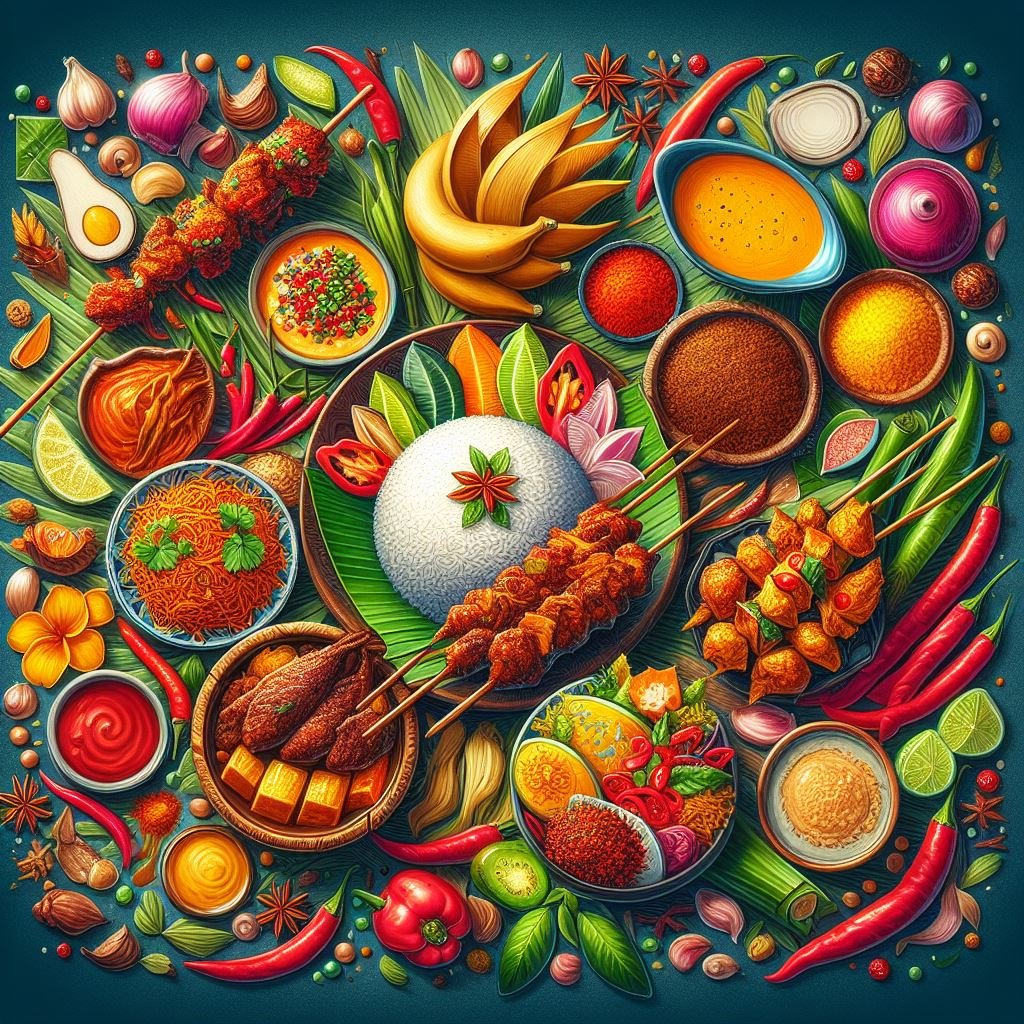
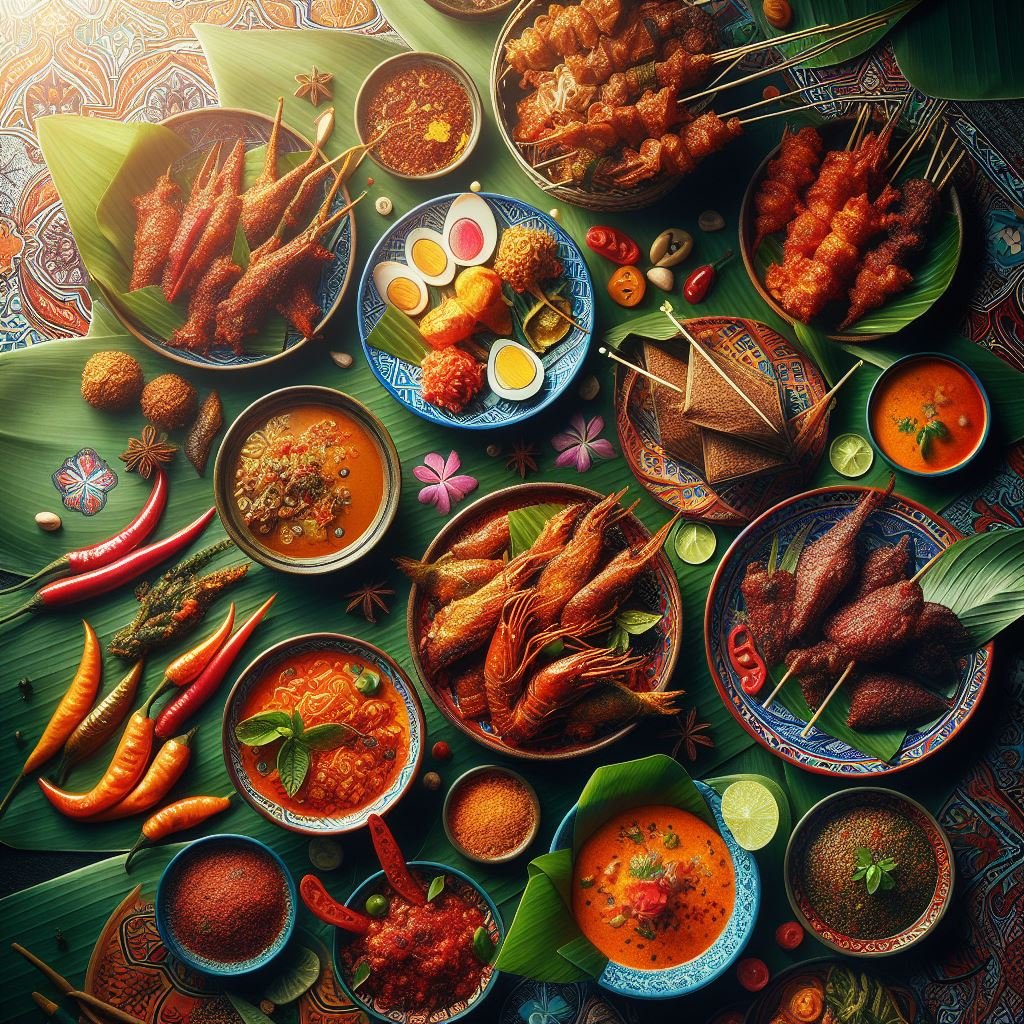
Indonesian cuisine is a vibrant tapestry of flavors, influenced by the diverse cultures and regions across the Indonesian archipelago. From aromatic spices to rich coconut-based dishes, Indonesian food is a delightful fusion of indigenous traditions and foreign influences.
Introduction to Indonesian Food
Indonesia, with its thousands of islands, boasts a culinary landscape as diverse as its geography. Each region offers a unique array of flavors, textures, and cooking techniques, making Indonesian cuisine a true culinary adventure.
Diversity in Indonesian Cuisine
Regional Variations
Indonesia’s vastness gives rise to distinct regional cuisines. Sumatra, Java, Bali, Sulawesi, and Papua each contribute their own specialties, reflecting local ingredients and cultural influences.
Influences from Other Cultures
Indonesian cuisine has been shaped by centuries of trade and migration. Indian, Chinese, Arab, and European influences have left their mark, enriching the country’s culinary heritage.
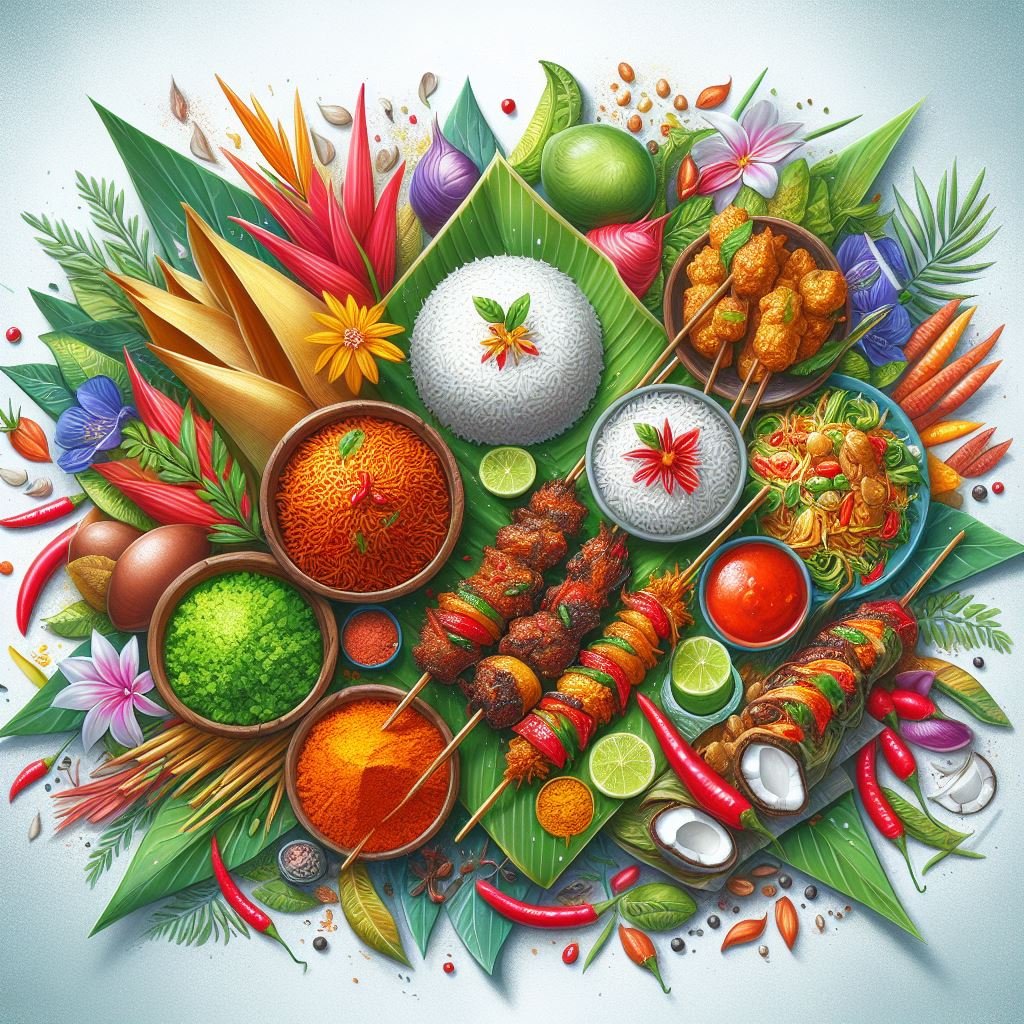
Staple Ingredients in Indonesian Cooking
Rice
As in many Asian countries, rice is a staple food in Indonesia. It serves as the foundation of countless dishes, from savory mains to sweet desserts.
Coconut
Coconut plays a prominent role in Indonesian cuisine, with its milk, flesh, and oil lending richness and depth to many dishes, such as curries and desserts.
Spices and Herbs
Indonesian cooking is renowned for its bold flavors, thanks to a diverse array of spices and herbs. Common spices include ginger, turmeric, lemongrass, and galangal, which add complexity and aroma to dishes.
Popular Indonesian Dishes
Nasi Goreng
Fried rice, or nasi goreng, is a popular Indonesian food that is created with cooked rice and is stir-fried with shallots, garlic, tamarind, the country of chile, and kecap manis (sweet soy sauce). It can also be accompanied with eggs, chicken, or prawns.
Rendang
Rendang is a tasty and smooth beef stew that is cooked with a blend of spices and coconut milk to make it creamy. Renderang, a cuisine that originates from the Minangkabau ethnic group in West Sumatra, has received international recognition for being among the most delicious in the world.
Sate
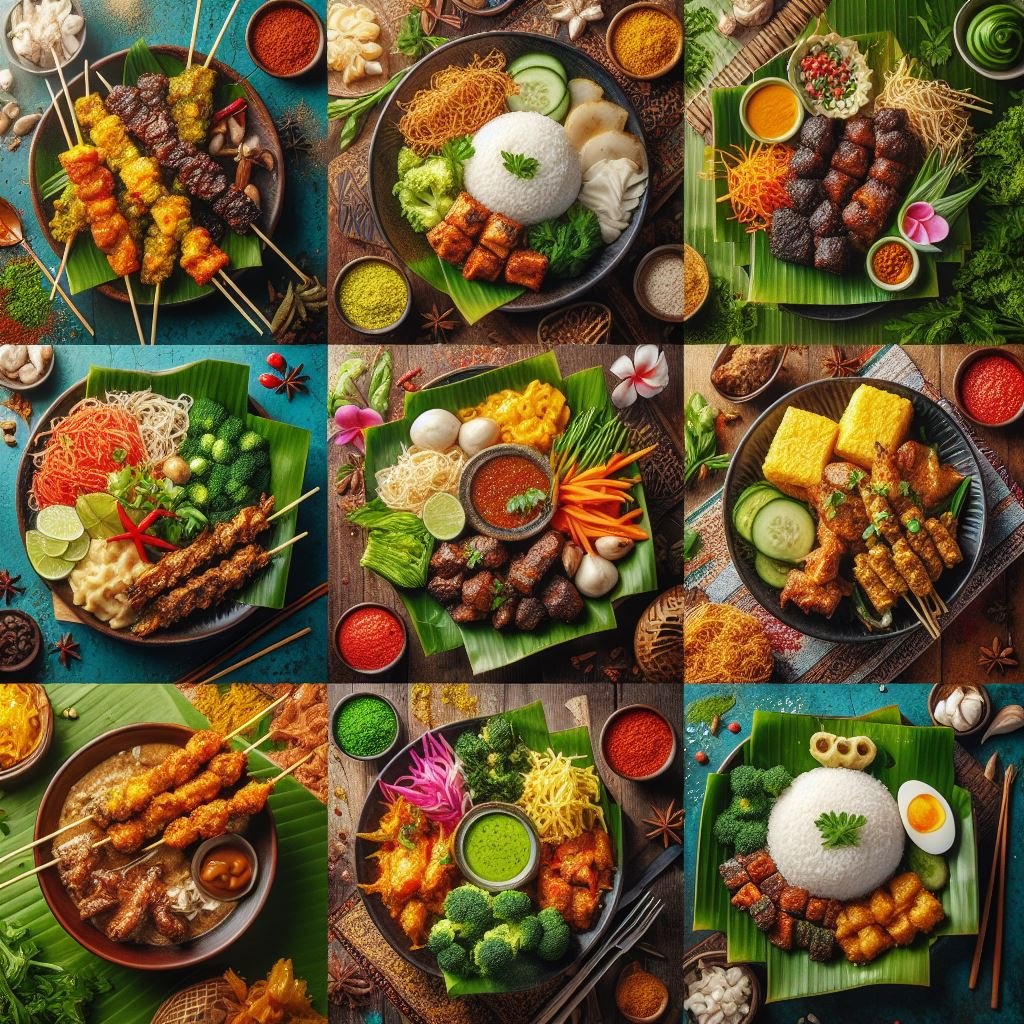
Sate, or satay, consists of skewered and grilled meat, typically chicken, beef, or lamb, served with a peanut sauce and accompanied by rice cakes, cucumber, and shallots. It’s a popular street food enjoyed throughout Indonesia.
Street Food Culture
Warungs and Hawker Stalls
Indonesia’s bustling streets are dotted with warungs (small eateries) and hawker stalls, where vendors serve up an array of affordable and flavorsome dishes, from sate to mie goreng (fried noodles).
Iconic Street Foods
Iconic Indonesian street foods include bakso (meatball soup), gado-gado (vegetable salad with peanut sauce), and martabak (stuffed pancake), offering a taste of Indonesia’s culinary heritage on the go.
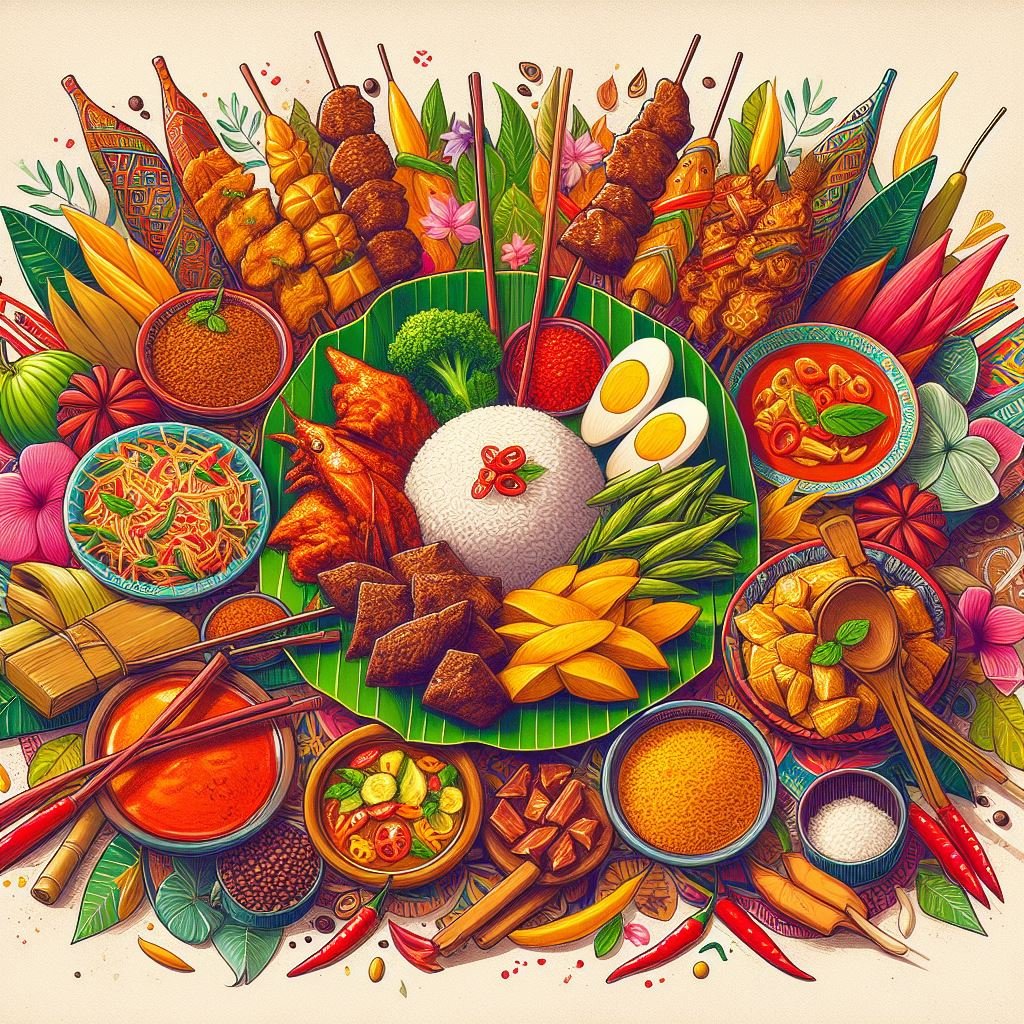
Traditional Cooking Methods
Grilling
Grilling over charcoal is a traditional Indonesian cooking method, imparting a smoky flavor to meats and seafood, as seen in dishes like sate and ikan bakar (grilled fish).
Stir-frying
Stir-frying is another common cooking technique, used to create dishes like cap cai (stir-fried mixed vegetables) and tumis ayam (stir-fried chicken with spices).
Steaming
Steaming is employed to cook rice, dumplings, and cakes, preserving the natural flavors and nutrients of ingredients.
Importance of Food in Indonesian Culture
Social Gatherings and Celebrations
Food plays a central role in Indonesian social life, bringing families and communities together during festivals, weddings, and other celebrations.
Religious Significance
Certain dishes hold religious significance, such as ketupat (rice cakes wrapped in palm leaves) served during Eid al-Fitr, marking the end of Ramadan.
Fusion and Modern Trends in Indonesian Cuisine
Indonesian Fusion Restaurants
In recent years, Indonesian fusion restaurants have emerged, blending traditional flavors with global culinary trends to create innovative and exciting dishes.
Contemporary Takes on Traditional Dishes
Chefs are putting modern twists on classic Indonesian dishes, using creative presentations and unexpected ingredients to appeal to a new generation of diners.
Sustainability and Agriculture
Traditional Farming Practices
Indonesia’s rich agricultural heritage includes traditional farming methods that prioritize sustainability and environmental stewardship.
Environmental Concerns
However, modern agricultural practices and deforestation pose threats to Indonesia’s biodiversity and ecosystems, prompting calls for greater sustainability in food production.
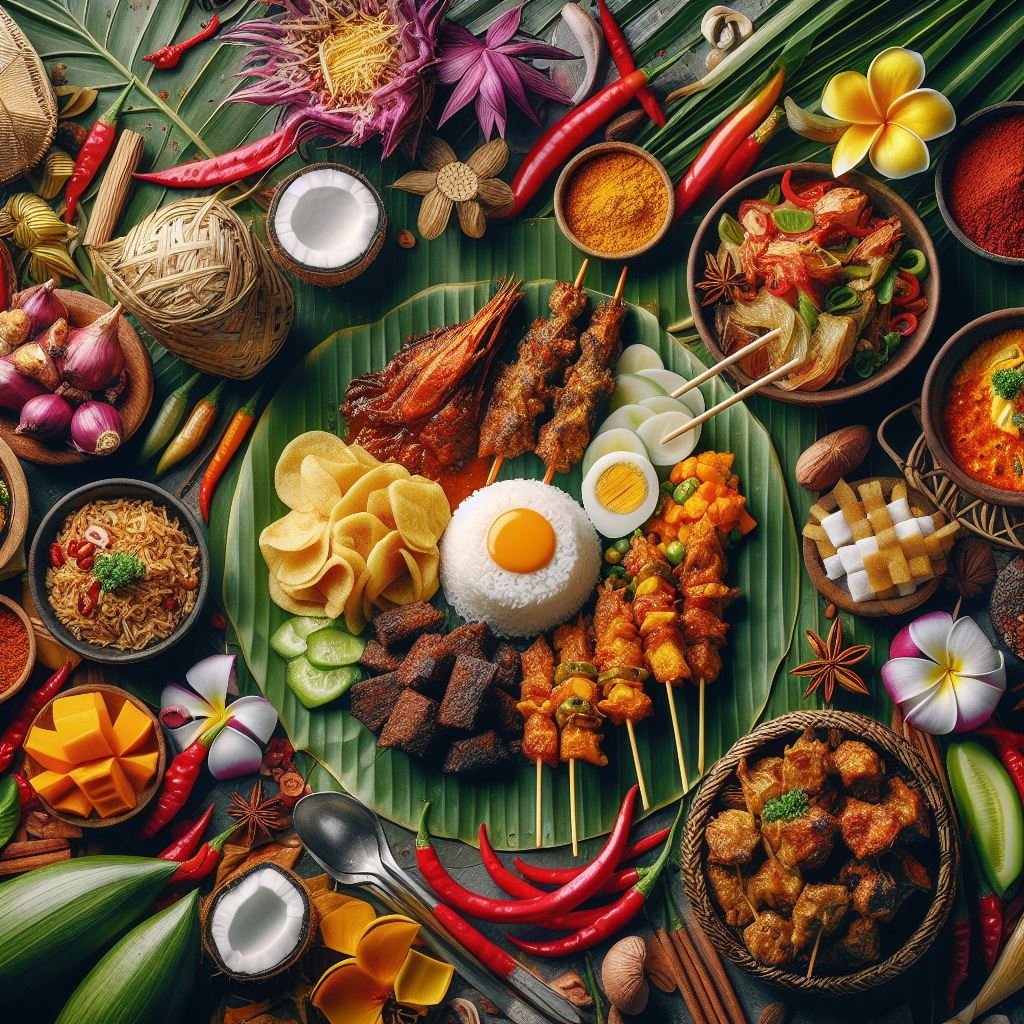
Health Benefits of Indonesian Food
Nutrient-rich Ingredients
Indonesian cuisine emphasizes fresh produce, lean proteins, and aromatic spices, offering a nutritious and balanced diet rich in vitamins, minerals, and antioxidants.
Balanced Flavors
The harmonious blend of sweet, savory, sour, and spicy flavors in Indonesian dishes not only tantalizes the taste buds but also promotes a well-rounded eating experience.
Tips for Cooking Indonesian Food at Home
Essential Ingredients
Stock your pantry with essential Indonesian ingredients like kecap manis, sambal (chili paste), and kaffir lime leaves to recreate authentic flavors at home.
Authentic Recipes vs. Adaptations
Experiment with traditional recipes, but don’t be afraid to put your own spin on Indonesian classics, incorporating local ingredients and personal touches.
Where to Experience Authentic Indonesian Cuisine
Restaurants
Seek out Indonesian restaurants in your area or plan a culinary trip to Indonesia to savor the authentic flavors of regional specialties.
Culinary Tours
Join guided culinary tours to explore bustling markets, sample street food delights, and learn about the cultural significance of Indonesian cuisine firsthand.
Conclusion
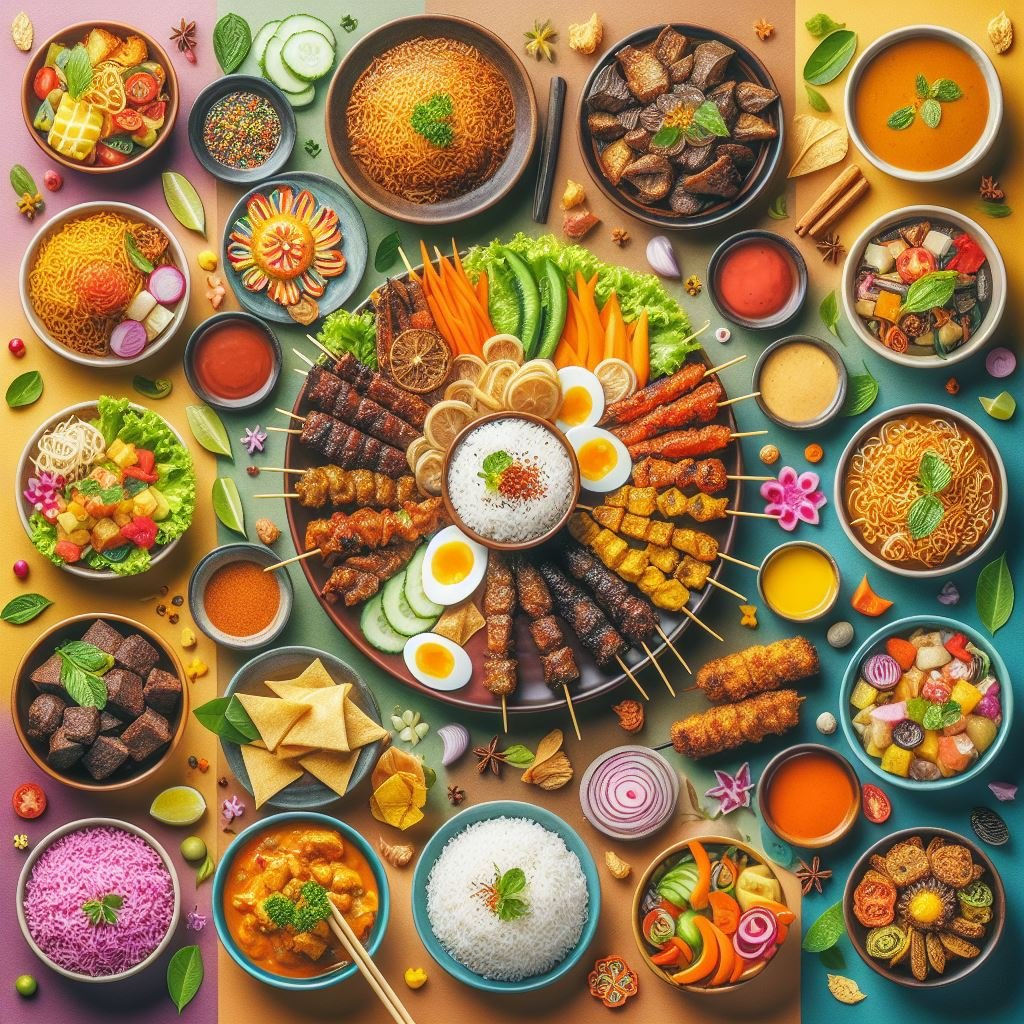
Indonesian food is a tantalizing fusion of flavors, reflecting the country’s rich cultural heritage and culinary diversity. From spicy rendang to fragrant nasi goreng, each dish tells a story of tradition, innovation, and community.
FAQs
- Is Indonesian food very spicy? Indonesian cuisine can be spicy, but not all dishes are intensely hot. Many recipes use a balance of spices to create depth of flavor without overwhelming heat.
- What is the national dish of Indonesia? While there isn’t an official national dish, nasi goreng is often considered Indonesia’s unofficial national dish due to its popularity and widespread consumption.
- Are there vegetarian options in Indonesian cuisine? Yes, Indonesian cuisine offers a variety of vegetarian dishes, such as gado-gado (vegetable salad with peanut sauce), tempeh dishes, and sayur lodeh (vegetable stew).
- What is the significance of rice in Indonesian culture? Rice holds cultural and symbolic importance in Indonesia, symbolizing prosperity, fertility, and unity. It’s a staple food served in various forms at almost every meal.
- How can I replicate the flavors of Indonesian food at home? To replicate the flavors of Indonesian cuisine at home, stock up on essential ingredients like kecap manis, coconut milk, and aromatic spices, and follow authentic recipes for guidance.
Read More : Where to Stay in Gili Islands
Read More : Which Part of Bali Has the Best Beaches






Leave a Reply