

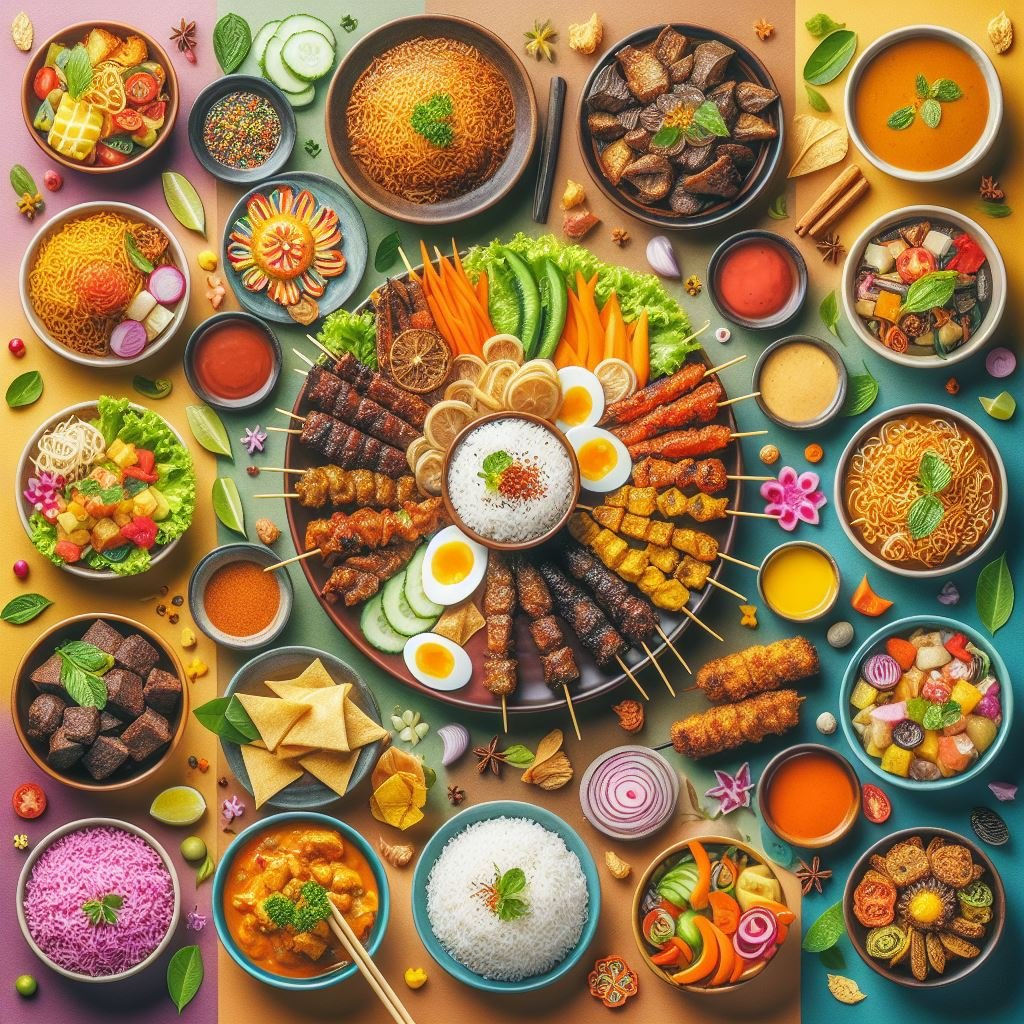
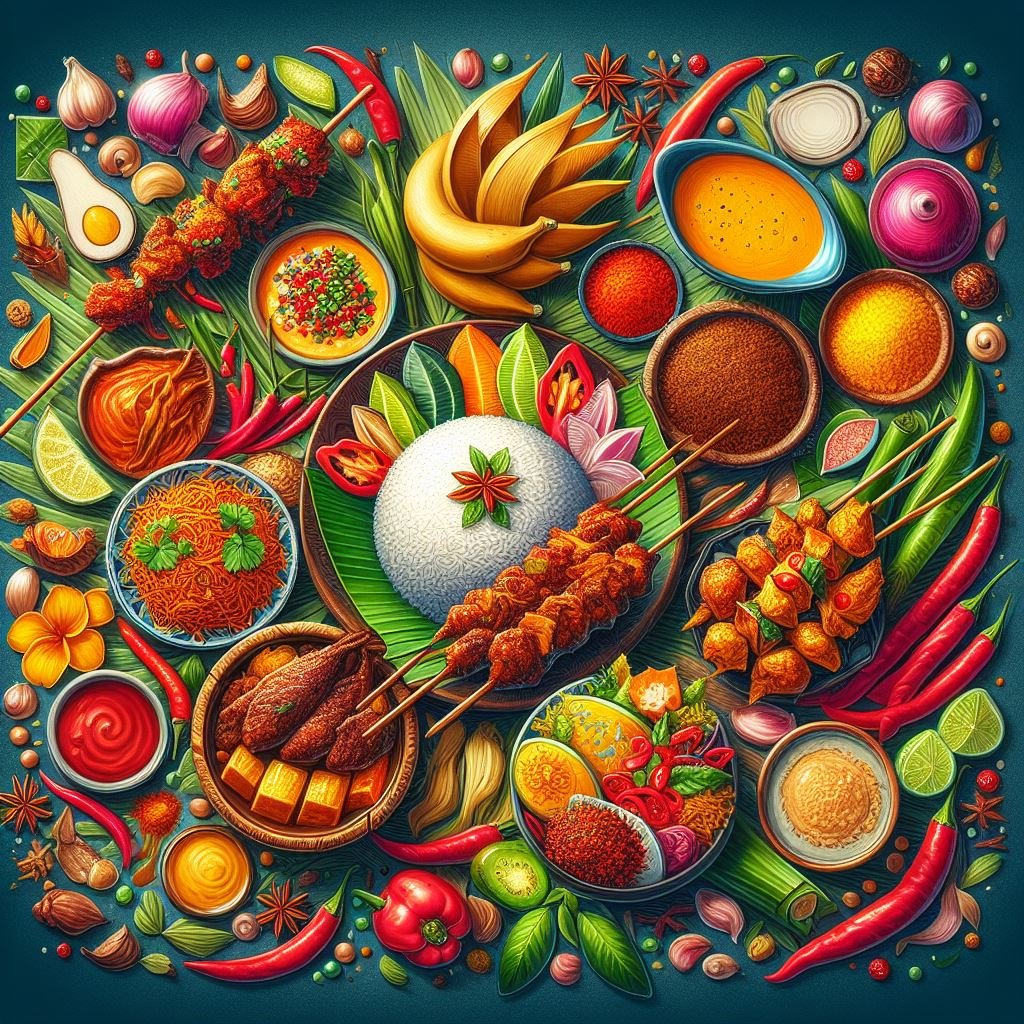
Indonesia, a vast archipelago in Southeast Asia, boasts a rich culinary heritage that reflects its diverse culture and history. From sumptuous rice dishes to fiery sambals and mouthwatering street food, Indonesian cuisine tantalizes the taste buds of food enthusiasts worldwide.
Introduction to Indonesian Cuisine
Indonesian cuisine is a vibrant tapestry woven from a myriad of flavors, influenced by the country’s geography, history, and diverse ethnicities. With over 17,000 islands, Indonesia offers an abundance of fresh ingredients, spices, and cooking techniques that contribute to its unique culinary landscape.
Rice: The Staple of Indonesian Cuisine
At the heart of Indonesian dining culture lies rice, the staple food that accompanies almost every meal. Whether steamed, fried, or boiled, rice forms the foundation of Indonesian cuisine.
Nasi Goreng: The Iconic Indonesian Fried Rice
Nasi Goreng, or Indonesian fried rice, is a beloved dish enjoyed throughout the archipelago. Made with stir-fried rice, seasoned with sweet soy sauce, garlic, shallots, and chili, Nasi Goreng is often served with a variety of accompaniments such as fried egg, chicken, or prawns.
Savory Dishes
Indonesian cuisine is renowned for its flavorful savory dishes, showcasing a harmonious blend of spices and herbs.
Sate: Grilled Skewered Meat
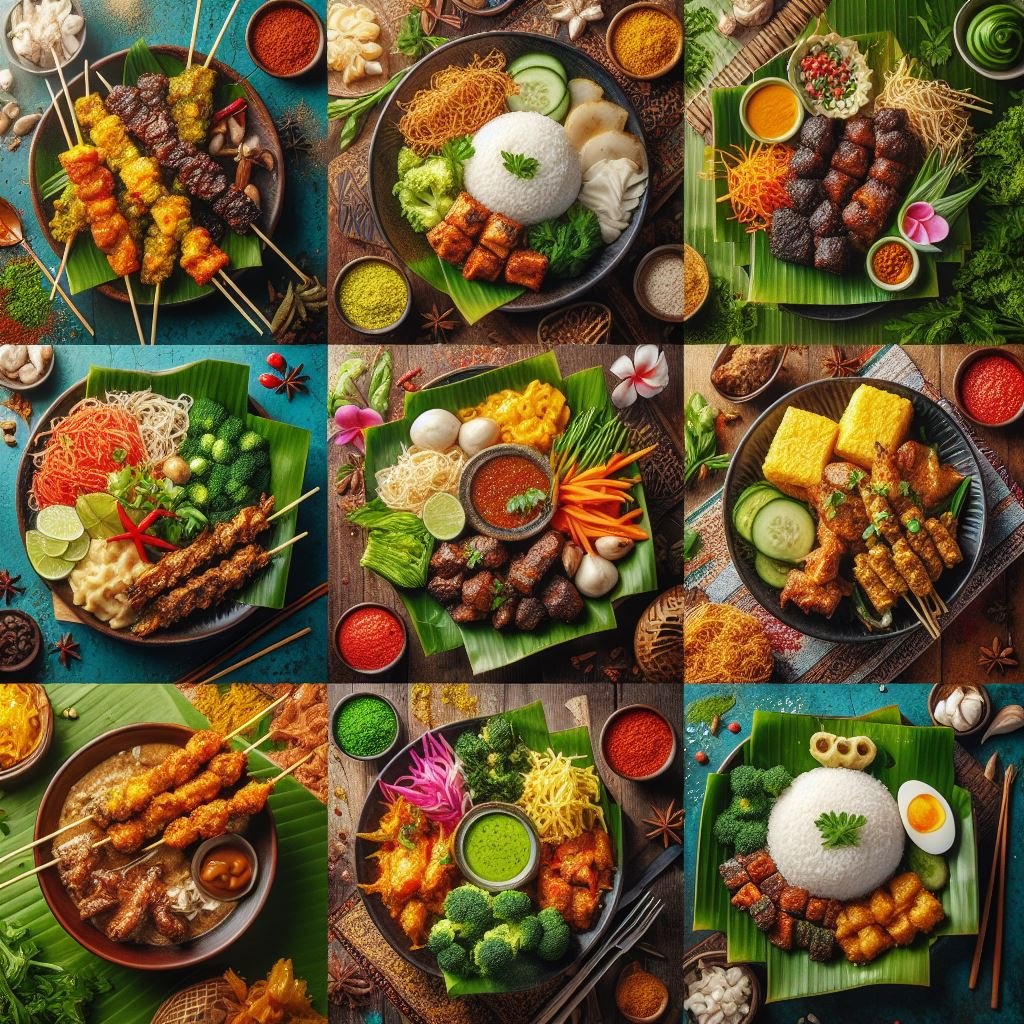
Sate, or satay, is a popular Indonesian dish consisting of skewered and grilled meat, typically chicken, beef, or lamb, served with a fragrant peanut sauce. This street food favorite is enjoyed as a snack or part of a meal, accompanied by rice cakes or lontong.
Rendang: Flavorful Beef Stew
Rendang is a rich and aromatic beef stew originating from the Minangkabau ethnic group of West Sumatra. Slow-cooked with coconut milk and a medley of spices, including lemongrass, galangal, and turmeric, Rendang boasts tender meat infused with complex flavors.
Spicy Delights
Indonesian cuisine is renowned for its fiery and aromatic chili-based condiments, adding depth and heat to dishes.
Sambal: Indonesian Chili Sauce
Sambal is a quintessential Indonesian chili sauce, made from a blend of chili peppers, garlic, shallots, and shrimp paste. Available in countless variations, from mild to tongue-searingly hot, sambal adds a kick of flavor to everything it accompanies.
Gado-Gado: Indonesian Vegetable Salad
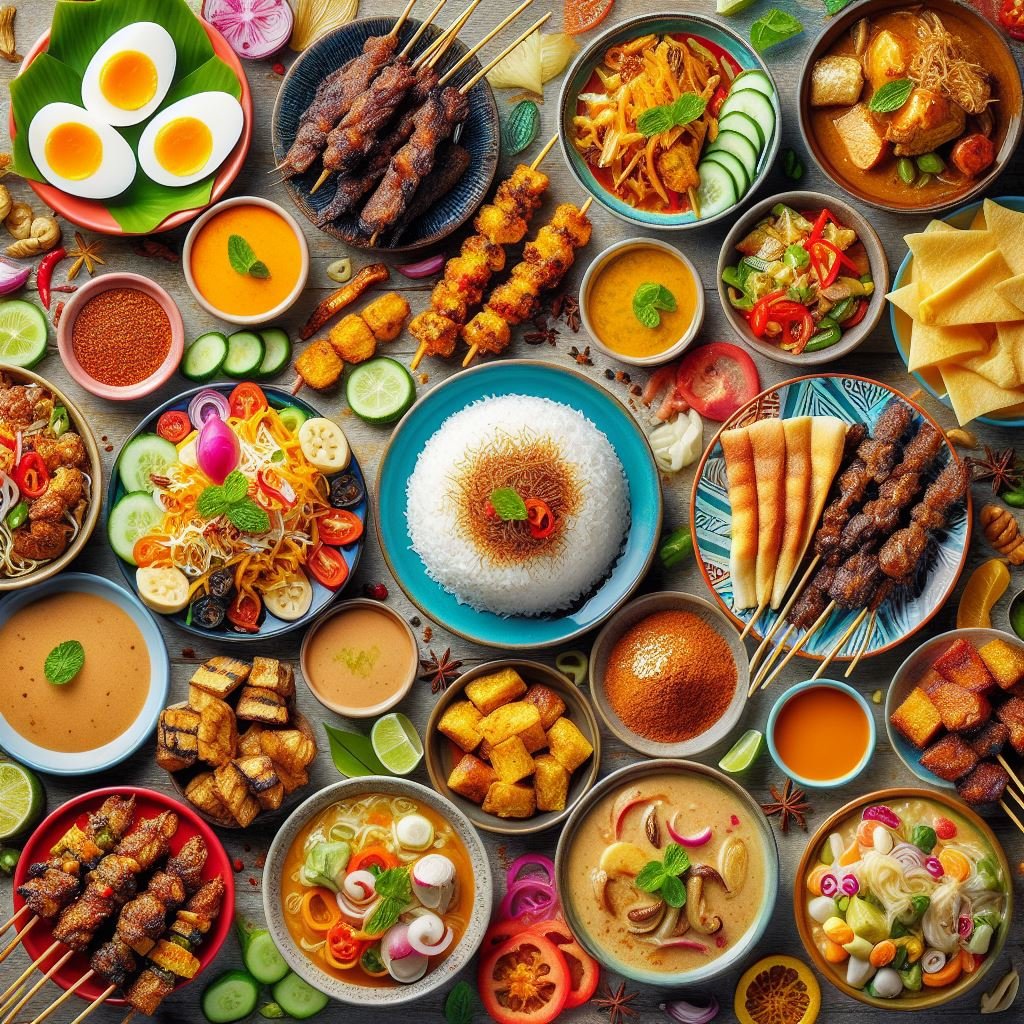
Gado-Gado is a refreshing Indonesian salad comprising a colorful assortment of boiled vegetables, tofu, tempeh, and hard-boiled eggs, drizzled with a luscious peanut dressing and topped with crispy prawn crackers.
Seafood Specialties
Given Indonesia’s extensive coastline, seafood plays a prominent role in the country’s culinary repertoire.
Ikan Bakar: Grilled Fish
Ikan Bakar, or grilled fish, is a popular Indonesian dish prepared with marinated fish, typically snapper or mackerel, grilled over charcoal and served with sambal and lime wedges.
Udang Goreng: Crispy Fried Shrimp
Udang Goreng, or crispy fried shrimp, is a delectable Indonesian seafood dish featuring succulent shrimp coated in a crispy batter, served with a tangy dipping sauce.
Sweet Treats
Indonesian desserts offer a delightful finale to any meal, with a wide array of sweet treats to satisfy every palate.
Desserts: Kolak and Es Cendol
Kolak is a traditional Indonesian dessert made with sweet potatoes, bananas, and palm sugar, cooked in coconut milk and flavored with pandan leaves. Es Cendol, on the other hand, is a refreshing drink/dessert consisting of rice flour jelly, coconut milk, palm sugar syrup, and shaved ice.
Street Food Culture
Indonesia’s bustling street food scene is a testament to the country’s culinary diversity and creativity.
Martabak: Indonesian Pancakes
Martabak is a popular street food snack, resembling a thick pancake filled with a sweet or savory filling such as chocolate, cheese, or minced meat, folded and fried until crispy.
Bakso: Indonesian Meatball Soup
Bakso is a comforting Indonesian soup featuring meatballs made from a mixture of ground beef and tapioca flour, served in a flavorful broth with noodles, tofu, and vegetables.
Influences on Indonesian Cuisine
Indonesian cuisine has been shaped by centuries of trade, migration, and cultural exchange, resulting in a culinary mosaic that reflects the country’s diverse influences.
Historical and Cultural Influences
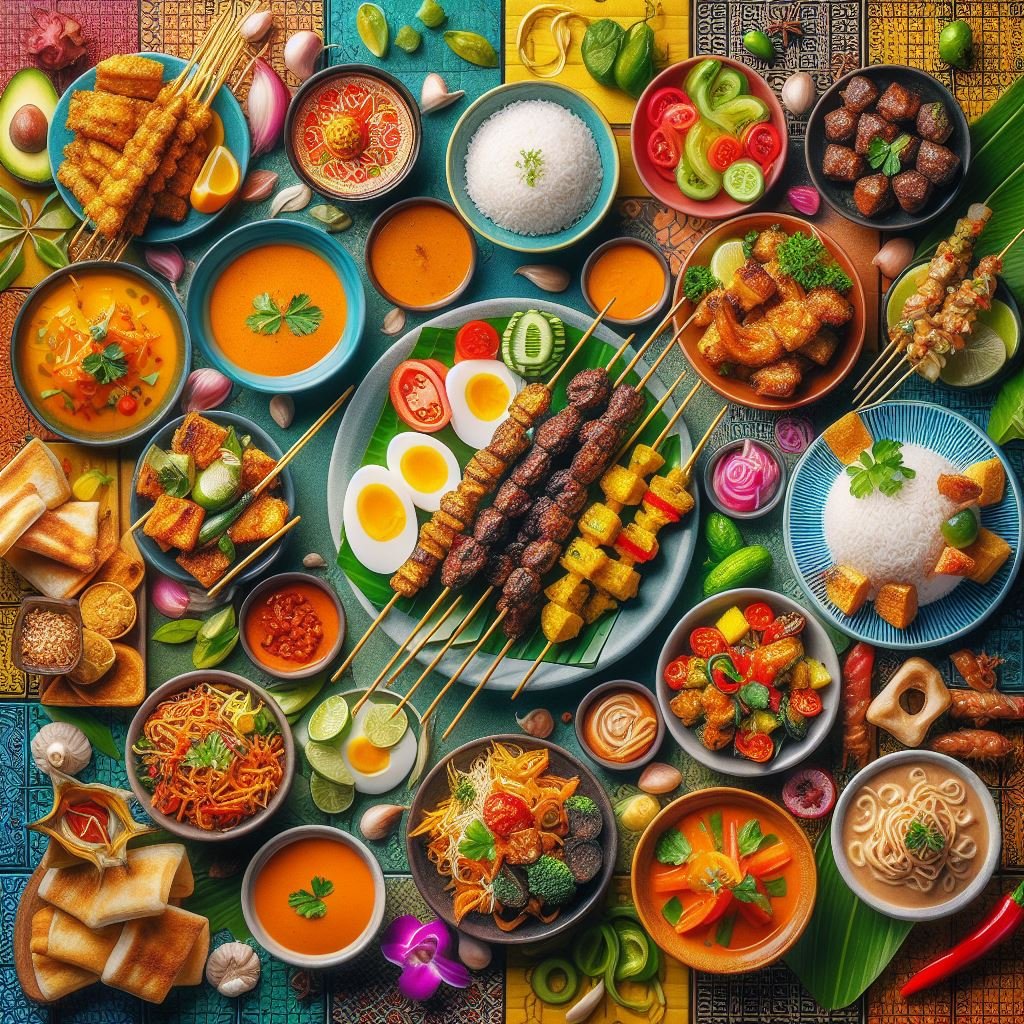
From Indian spices brought by traders to Chinese stir-frying techniques and Dutch colonial influences, Indonesia’s culinary landscape is a testament to its rich history and multicultural heritage.
Conclusion
Indonesia’s famous food is a reflection of its rich culinary heritage, shaped by diverse influences and a bounty of fresh ingredients. From aromatic rice dishes to fiery sambals and indulgent desserts, Indonesian cuisine offers a tantalizing journey for the senses, inviting food enthusiasts to savor its flavors and explore its cultural nuances.
Unique FAQs
- What makes Indonesian cuisine unique? Indonesian cuisine is unique due to its diverse flavors, influenced by a blend of indigenous spices, cultural traditions, and foreign influences.
- Is Indonesian food spicy? While Indonesian cuisine can be spicy, not all dishes are fiery hot. Spiciness varies depending on the dish and the region.
- What are some must-try Indonesian dishes for first-time visitors? Nasi Goreng, Sate, Rendang, and Gado-Gado are among the must-try Indonesian dishes for first-time visitors.
- Are there vegetarian options in Indonesian cuisine? Yes, Indonesian cuisine offers a variety of vegetarian options, including Gado-Gado, Sayur Lodeh (vegetable curry), and Tempeh dishes.
- Where can I find authentic Indonesian food outside of Indonesia? Authentic Indonesian restaurants can be found in major cities worldwide, offering a taste of Indonesia’s culinary delights to food enthusiasts everywhere.
Read More : How Much Food Costs in Indonesia?
Read More : What is Indonesian food?










Leave a Reply